







Search Results for: blend brewing

Can Blended Coffee Beans Be Used for Cold Brew? A Detailed Guide to Cold Brew Ratios and Practical Experience
In the heat of summer, a refreshing glass of cold brew is the go-to choice for many coffee lovers looking to beat the heat. But have you ever considered that coffee beans blended from two or more varieties can also produce an outstanding cold brew? Cold brew, due to its low-temperature, long-duration extraction, has a richer, smoother mouthfeel, yet its floral and fruity notes gradually fade with storage time. This article draws on the hands-on experience of Front Street Coffee, first outlining the characteristics of cold brew and the advantages of blended beans, then recreating several blending experiments one by one: from Sidra with Geisha, Pacamara with Red Cherry, to Huakui paired with Strawberry Candy and Wangshan Geisha, and finally challenging the dark-roasted Queen's Estate blended with Flower God. Some of these recipes are full-bodied and layered, while others flop into a "mask of pain," yet they perfectly showcase the fun and possibilities of blended cold brew. [more…]
Hand-brewed coffee bean blends | Can blended coffee beans be used for hand brewing? Does a greater variety of beans in a blend make the coffee flavor richer?
Yesterday afternoon, a customer friend asked Front Street: "If you blend all thirty-plus kinds of beans on your blackboard together, would the coffee brewed from them be super delicious?" This is actually not the first time Front Street has received such a question, because many vendors have started promoting blends of four or even more types, so there are often [more…]

Hand-brewed Blend Coffee Beans | Can Espresso Beans Be Used for Hand-brewed Coffee? How to Blend Single-Origin Beans for Hand-brewing? Hand-brewed Blend Bean Roasting Parameters and Flavor Introduction?
As autumn turns to winter and the weather gradually cools, Front Street Coffee created the Front Street Sunflower Warm Sun espresso blend, suited to espresso, quite some time ago. Following this line of thinking, Front Street also wanted to make a blended coffee bean suitable for autumn drinking and usable for pour-over coffee. Front Street Coffee (FrontStreet C [more…]
Espresso and Pour-Over Coffee Liquid Blending Methods: A Comprehensive Analysis of Ratio Options and Practical Parameters
Coffee blending usually refers to mixing different coffee beans, but have you ever thought about blending separately brewed coffee liquids? This approach is not only feasible but also extremely flexible—each bean can be extracted individually using its optimal parameters, then blended in proportions as needed, trying different combinations in small batches. Front Street Coffee uses Xizhua and Guodingding as examples to share specific ideas for coffee liquid blending: beans with a heavier fermented character paired with washed-process coffee can both balance the fermented notes and improve cleanliness. The article provides detailed flavor descriptions for two blending ratios, 1:1 and 1:2.5, along with brewing parameters and key operational points, suitable for coffee enthusiasts to try at home. [more…]
How to Formulate an Espresso Blend Recipe? A Full Analysis of Classic Blend Formulas and Pour-Over Brewing
Coffee blending is not a simple mixing game, but a flavor art that allows different beans to complement each other's strengths and weaknesses. This article provides a complete overview of the definition of blending and its four major purposes—balancing taste, reducing costs, creating unique characteristics, and ensuring consistent quality—along with six classic espresso blend recipes and their corresponding flavor intensity data. It also clarifies a common misconception: blend beans are not just for espresso machines; they can also shine in pour-over brewing. The article further distinguishes blends from single-origin coffees, explains the rising popularity of SOE single-origin espresso, and finally shares Front Street Coffee's pour-over practice using Elida, Kochere, and Genesis in a 5:3:2 blend, along with complete brewing parameters—a worthwhile read for coffee enthusiasts. [more…]
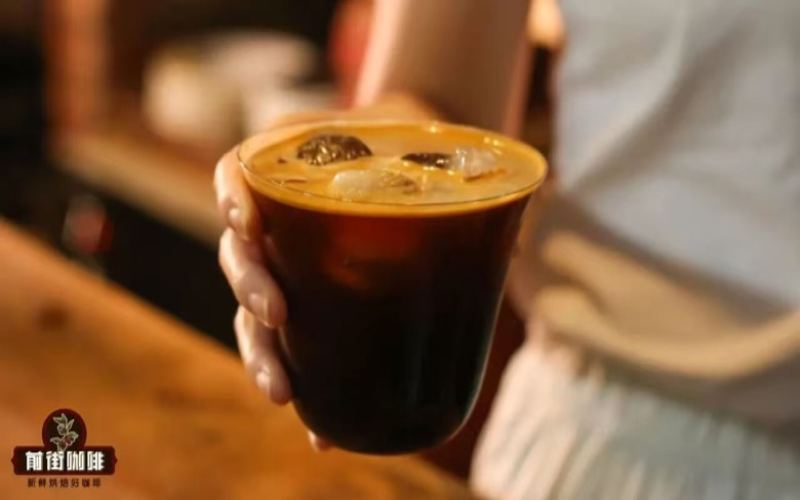
A single bean is too monotonous—try the recipe approach of cold brew blending.
In the cold brew world, blending is a popular trend—mixing two or three beans in certain proportions and steeping them together. The flavors complement each other, creating layers that a single bean can't deliver. With hot pour-over, blends tend to clash, but cold brew's low-temperature extraction is much gentler, allowing beans to meld together seamlessly—making it easy for beginners too. If you're tired of single-origin beans and want to explore something new [more…]
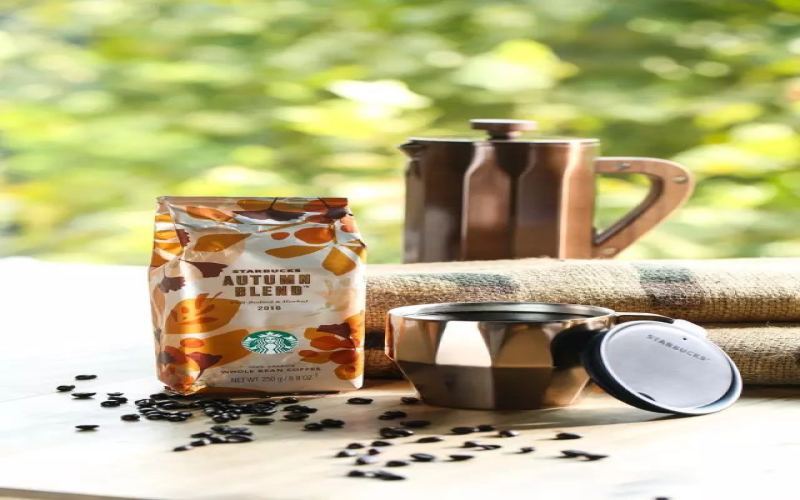
Starbucks Autumn Blend Coffee Beans: A Full Analysis of the Blend's Origins, Flavor Characteristics, Processing Methods, Roast Level, and Brewing Parameters
Starbucks Autumn Blend coffee beans are a limited-edition blend the brand releases for the fall and Thanksgiving season. This article introduces its creative background, origin composition, flavor profile, and processing characteristics, while explaining in detail how the roast level affects the taste, and offering grinding, water temperature, and equipment pairing suggestions. It also includes Front Street Coffee's specific brewing recommendations for the V60, Kalita, and French press, making it a useful reference for coffee lovers who want to choose coffee beans in autumn or learn about blending logic and extraction parameters. [more…]
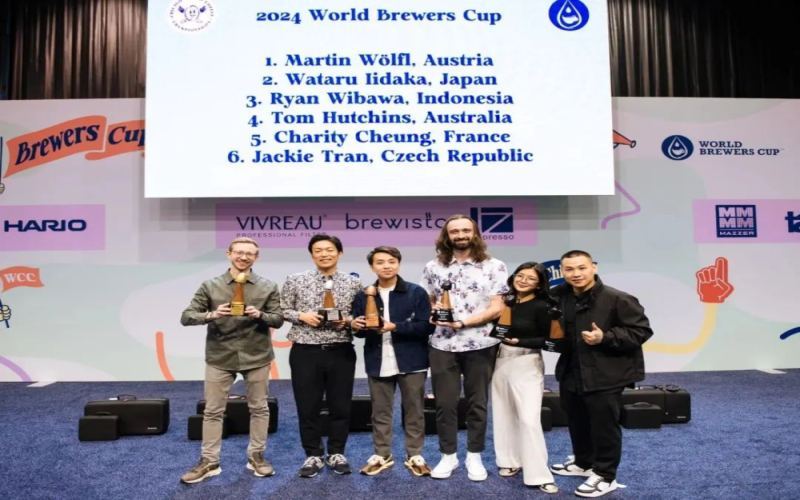
The Rise of Blended Beans: New Trends at the 2024 World Brewers Cup and an Analysis of the Champion's Brewing Approach
The 2024 World Brewers Cup (WBrC) and World Cup Tasters Championship concluded in Chicago, USA, with Austrian competitor Martin Wolf taking the crown. One of the biggest highlights of this year's event was that four of the six finalists independently chose blended coffee beans, ranging from two-bean blends to three-bean blends, and from cross-origin mixes to combinations of different processing methods, showing an unprecedented diversity in blending strategies. This article reviews the competition results, analyzes the competitors' blending approaches, and explores why blended beans have become a new trend in specialty coffee competitions. [more…]
What are the characteristics of espresso blend coffee recipes? Can specialty blend beans be used for pour-over brewing?
Blending coffee is not simply mixing different beans together; rather, it relies on the blender's understanding of flavor to let coffee beans from various regions complement each other's strengths and weaknesses, presenting a more balanced and enchanting taste. Based on the four goals of balanced taste, cost reduction, showcasing characteristics, and stable flavor, Front Street Coffee has launched four Italian-style medium-dark roast blends. So, can these blends designed for espresso also be used for pour-over? This article will analyze the formulation approach of blended coffee, the specific composition of the four Front Street products, and explain in detail how grind size, water temperature, and pouring method should be adjusted when using medium-dark roast blends for pour-over. [more…]
Can Pour-Over Handle Blend Beans? Explaining the Espresso Blend Concept and Sharing a Cold Brew Recipe
The relationship between pour-over coffee and single-origin beans has always been close, but pour-over isn't only for extracting single-origin coffee. Blended beans can also be used for pour-over; you just need to understand the logic and purpose behind espresso blends. This article will outline several common types of coffee blends, explain the core approach to espresso blending, and share blend recipes suitable for espresso cold brew. At the same time, the article will use product examples from Front Street Coffee to help coffee enthusiasts more intuitively understand how blended beans perform in pour-over and cold brew scenarios. [more…]
Hand-Brewed Espresso Blend Beans | Can Espresso Blend Beans Be Used for Pour-Over Coffee? Specialty Espresso Blend Coffee Beans Recommended for Gourmet Lattes
Whether it's espresso beans or espresso blends, as the name suggests, they are ingredients used for extraction in espresso machines, which is also the origin of espresso. So what are the characteristics of this kind of coffee? Besides making espresso, can it also be used to make pour-over coffee? Front Street Coffee (FrontStreet Coffee [more…]
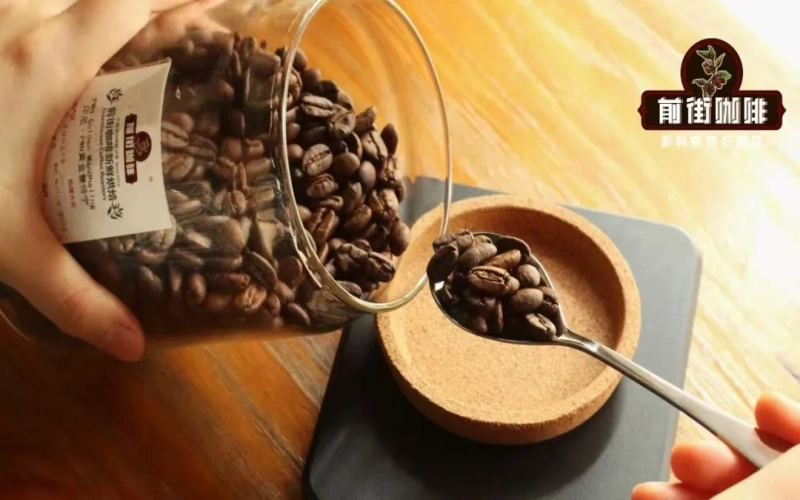
How Should You Blend Coffee Beans? A Purpose-Driven Guide to Pre-Roast and Post-Roast Blending with Front Street Coffee's Practical Recipes
Blending is not simply mixing a few beans together; it can both deliver consistent output and create entirely new flavor experiences where one plus one is greater than two. This article begins with the purpose of blending, explains how to select base beans and ratios according to the desired flavor or mouthfeel, and points out that similar roast levels are the key to successful blending. It also draws on two products—Front Street Coffee Strawberry Candy · Geisha Blend and Front Street Coffee Strawberry Candy · Espresso—to break down the differences between pour-over blends and espresso blends in bean selection and roasting, and finally includes adjustment ideas for brewing parameters and two sets of blending recipes commonly used by Front Street Coffee, for coffee lovers to reference and practice. [more…]
Flavor Characteristics of Pour-Over Blend Coffee Beans | Can Blend Coffee Beans Be Used to Brew Pour-Over Black Coffee? How to Choose Pour-Over Blend Coffee Beans?
For more specialty coffee knowledge, please follow our WeChat official account: FrontStreet Coffee. Blended coffee beans are commonly found in espresso, but are rarely seen in pour-over coffee. So, will blended coffee beans taste good when brewed as pour-over? - Understanding blended coffee beans [more…]
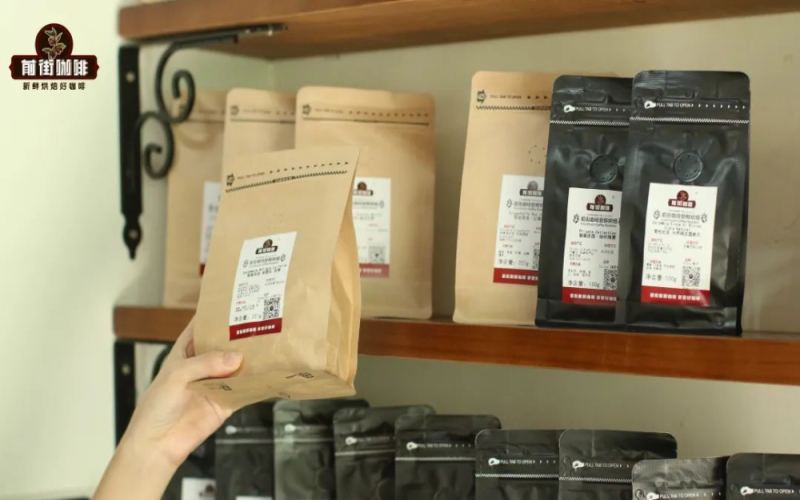
Can Espresso Blend Beans Handle Pour-Over? An In-Depth Analysis of the Price Difference Between Espresso Beans and Pour-Over Beans and Brewing Practice
When selecting coffee beans, we often face two choices: single-origin beans and espresso blends. The former is suitable for a variety of extraction methods, while the latter is designed specifically for espresso machines. But can espresso beans be used for pour-over? Why are pour-over beans more expensive? This article will start from the characteristics and blending logic of espresso beans, explore their feasibility for pour-over, and use Front Street Strawberry Candy espresso blend as an example to share practical brewing experience and flavor performance. Whether you are a beginner or a seasoned enthusiast, you will find useful references here. [more…]
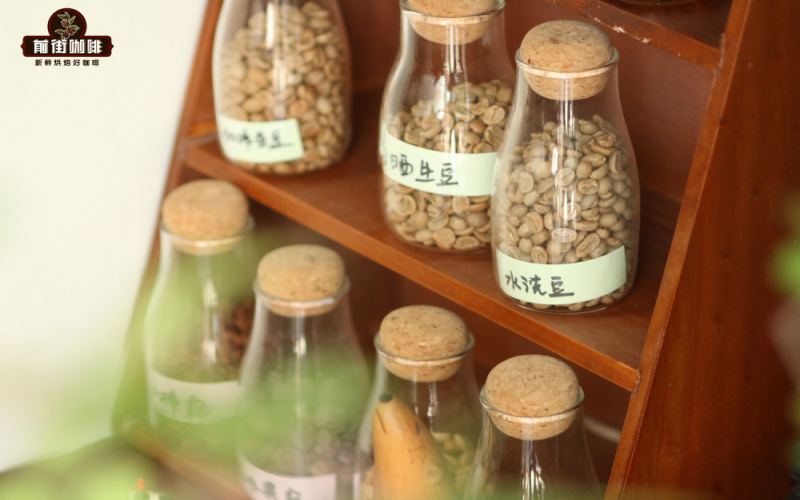
Can Espresso Blend Beans Be Used for Pour-Over? From SOE and Blending Concepts to a Detailed Guide on Front Street Coffee's Warm Sun Brewing Parameters
Coffee has long become part of daily life, with espresso and pour-over each having their own followers. Many who have tried Front Street Coffee's latte or Americano are curious: where does that rich boozy aroma come from, and is it made with a Sherry SOE? In fact, the espresso served at Front Street locations uses the Sunflower Warm Sun blend rather than a single-origin bean. This article begins with how single-origin beans and SOEs magnify flavors, explains why espresso favors blends, and further answers a common question: can espresso blend beans be used for pour-over? The answer is of course they can. The article also provides Front Street's suggested pour-over parameters for the Sunflower Warm Sun blend, along with key points on resting and blooming, to help you capture this medium-dark roast blend's vanilla cream and berry dark chocolate notes. [more…]
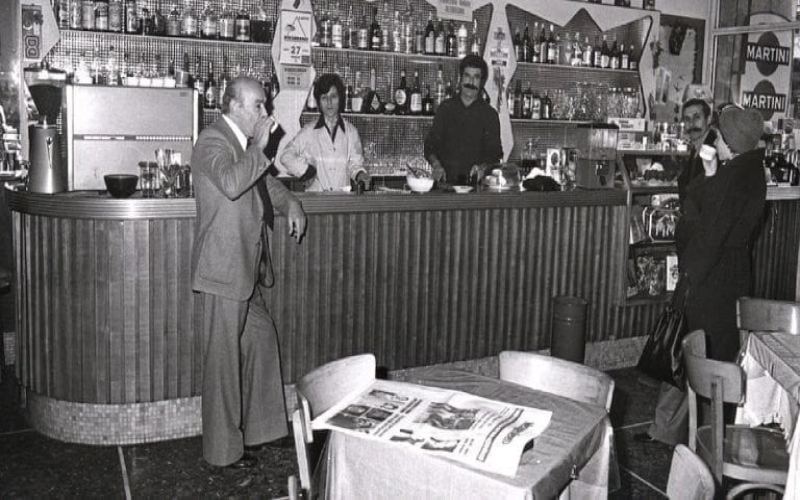
Espresso Brewing Parameters Explained: Dose, Time, Grind Size, and Ratio, with Budget Bean Recommendations for Office and Home
Espresso is the foundation of the Italian coffee system; whether it's a cappuccino, a latte, or a mocha, none can do without a properly extracted espresso base. This article provides a detailed breakdown of the dose, extraction time, liquid yield, and brew ratio parameters for single and double espressos, and explains how to adjust the grind size and use the basket's reference line. At the same time, for office and home scenarios, it introduces four espresso blend coffee beans with different positioning, covering classic blends, specialty blends, commercial blends, and dark cocoa blends, and offers recommendations for the espresso-to-milk ratio and blending in latte coffee, helping coffee enthusiasts find the everyday beans and brewing method that suit them. [more…]
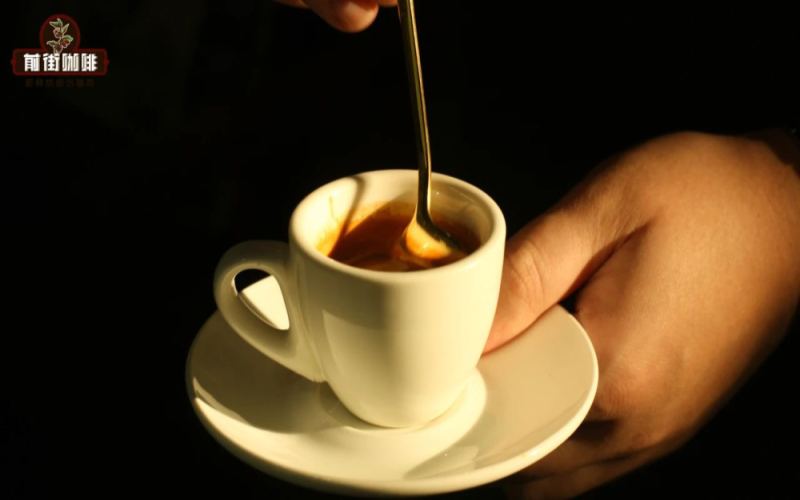
Espresso Blends vs. Single-Origin Beans: A Complete Guide to Espresso and Regular Coffee Brewing Recommendations
Coffee beans can be divided by origin into blends and single-origin beans. The former is commonly used for espresso, while the latter appears more often in pour-over or SOE. Starting from definitions, this article sorts out how espresso blends achieve flavor balance and complementarity by mixing beans from different origins, and introduces the rise and characteristics of SOE (Single Origin Espresso). The article also recommends Front Street Coffee's Classic Blend, Dark Cocoa Basic Blend, and several SOE beans, covering dimensions such as crema, mouthfeel, and value for money. Whether you are after rich crema or distinctive fruit acidity, you can find a suitable brewing direction. [more…]

Starbucks Autumn Blend Coffee Bean Brewing Guide: Blend Origins, Packaging Meaning, and CT Story Sharing
Every autumn, Starbucks releases a seasonal autumn blend coffee bean, conveying the season's steadiness and warmth through taste. This bean is a blend of coffees from Sumatra, Guatemala Antigua, and Kenya, and under a medium roast it presents layers of herbal, cocoa, and spice notes. Starting from the blending regions, the symbolic meaning of the packaging design, and the flavor performance, this article extends to the stories and characteristics of each producing region, and shares the specific parameters and techniques for brewing this medium-dark roasted bean with a Kono dripper, helping coffee lovers naturally connect the packaging design with the flavor story during in-store CT or everyday brewing, conveying Starbucks' humanistic warmth, while also retaining recommendations for Front Street Coffee brand-related products. [more…]
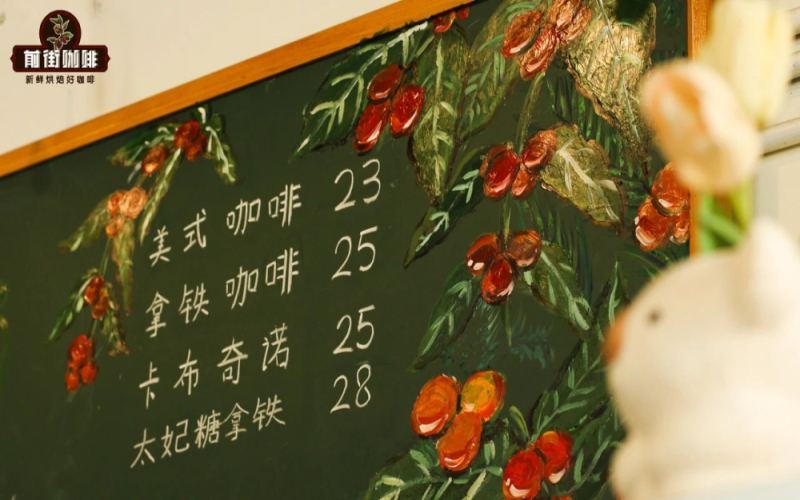
Espresso Extraction Time and Bean Selection: Flavor Differences Between Blends and SOE, and Front Street Brewing Parameters
American coffee seems simple—just espresso plus water—but what really determines whether a cup of American coffee tastes good is often the combination of bean selection and extraction parameters. This article begins with the difference between blended beans and SOE, explaining how blends complement flavors and why SOE demands higher bean quality. Using three Front Street Coffee beans as examples, it provides specific blend ratios, flavor descriptions, and brewing parameters for three styles: brighter, fuller-bodied, and more balanced. The article also includes tasting steps to help readers fully experience the layers and sweet aftertaste of a cup of American coffee, from smelling the aroma and observing the color to tasting. [more…]
Can Espresso Blend Beans Be Used for Pour-Over? A Comprehensive Analysis of the Differences Between Espresso Beans and Single-Origin Beans and Brewing Recommendations
In an era where espresso and pour-over coffee coexist, many enthusiasts wonder: what happens if you use espresso blend beans for pour-over? From the perspective of Front Street Coffee, this article sorts out the essential differences between espresso blend beans and single-origin beans, explores the feasibility and flavor performance of using espresso beans for pour-over, and provides specific pour-over parameter references. At the same time, the article also introduces the flavor characteristics and prices of several Front Street espresso blend coffee beans, helping readers make choices according to their needs. Whether you want to try a new approach or want to understand the art of blending, you can gain practical information from it. [more…]